VA Budget Proposal Nears $500B: What That Means for Vets in 2026 & Beyond
COMMENT
SHARE

ADVERTISEMENT
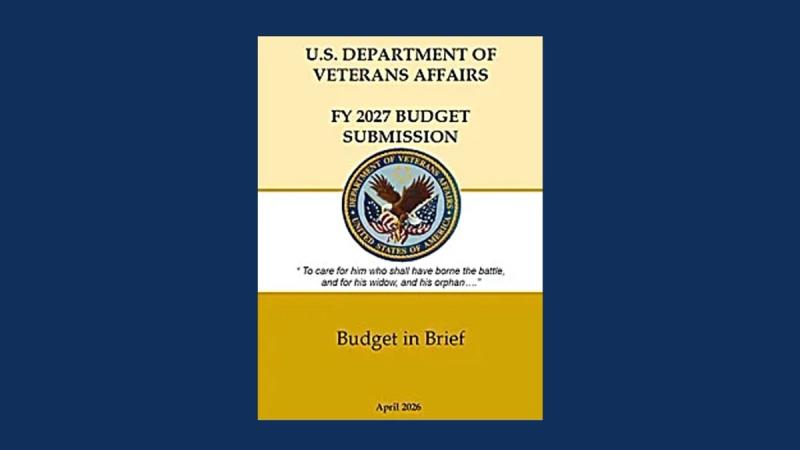
The Department of Veterans Affairs recently submitted its latest budget proposal to Congress, asking for $441.3 billion for fiscal year 2026. The figure comes directly from the department’s official request and places it among the most heavily funded federal agencies. For Veterans already in the system, this is not abstract funding. It shapes how long a claim sits, whether an appointment opens up this month or next, and how consistent care feels once you get in the door.
The request also points to where this is headed. VA budget documents project spending moving toward roughly $488 billion in 2027, a figure now gaining traction in coverage. This is not a one-year spike. It is a system that keeps getting more expensive, no matter who is in charge, driven by obligations that expand as more Veterans enter and remain in the system over time.
This affects post-9/11 Veterans filing new claims, older Veterans relying on ongoing care, and anyone newly eligible under toxic exposure rules. What Veterans experience still depends heavily on where they live, who is staffing their local facility, and how that system is functioning week to week.
Most of the Budget Is Already Committed
VA budget documents show a substantial portion of total funding is categorized as mandatory spending, covering disability compensation, pensions, education benefits, and survivor support. These payments are tied to eligibility and service and are not recalibrated each year in the same way as discretionary programs are.
As enrollment increases and benefit levels adjust, spending rises with it. That pressure is built into the structure and reflected in the VA’s projections. It doesn’t require a new program or policy shift to move higher. That leaves less room than many assume. A significant share of funding is accounted for early, before operational decisions around staffing, access, or system improvements are made. Some of this is not new. It is just getting more expensive.

Nobody Prepared You for Military Life
But we can help. Join over 100k spouses already getting the advice, resources, and military tea they need to thrive.
Toxic Exposure Claims Are Expanding the System in Real Time
The budget request outlines continued growth tied to expanded eligibility for toxic exposure conditions, including those connected to burn pits and other service-related hazards. VA budget documents cite increased demand tied to that eligibility, along with long-term care needs that extend well beyond initial claims.
That demand is already moving through the system. These cases do not resolve quickly. Many involve conditions that take years to fully develop, extending both cost and care across a longer timeline.
The department is already accounting for that trajectory, and there is no indication that it will slow anytime soon. For Veterans caught in that process, the consequences are immediate. For some, that delay means months without income while rent, medical bills, and daily costs don’t stop piling up.
Military Benefits Eligibility Checker
Answer a few questions to discover which military and VA benefits you or your family may be eligible for.
10 questions • Takes about 2 minutes
Healthcare Spending Keeps Climbing As Demand Deepens
Medical care remains one of the largest areas of discretionary spending in the VA budget. The request continues to pour funding into hospital systems, mental health services, and community care programs as demand rises.
VA budget materials point to increased demand across these areas, particularly in mental health and long-term care. The system is taking on new patients while struggling to keep up with the ones already in it.
That pressure shows up in appointment availability, referral timelines, and how long it takes to move through specialty care. National funding levels don’t guarantee consistent access at the local level. Availability can still come down to geography, staffing gaps, or how a specific facility is operating at any given time.
Billions Continue to Flow Into Systems Still Under Review
The VA continues to commit billions to its electronic health record system, with additional funding included in the latest request. The goal remains a unified system that improves coordination across facilities and reduces fragmentation in care.
The rollout has faced sustained scrutiny tied to delays and performance concerns. The request outlines continued investment, but it doesn’t frame the system as fully stabilized or complete.
Funding continues because too much has already been committed to walk away. That’s the elephant in the room, and it’s still sitting there.
ADVERTISEMENT
A Larger System Brings Higher Stakes
The VA now operates at a scale that reflects both its mission and the weight of its obligations, supported by a massive workforce and continued infrastructure investment. The request includes funding for facility upgrades, construction, and system-wide support.
As the system grows, expectations shift with it. Variability that might have once gone unnoticed becomes harder to explain when resources reach this level. Performance is no longer judged in isolation. It is judged against how much has been put into making the system work.
Veterans aren’t watching the top-line number. They are paying attention to whether appointments are available, whether claims move, and whether care shows up when they need it.
The Number Is Climbing, Expectations Are Moving Faster
The VA is approaching a level of funding that changes how it is judged. This is a system carrying long-term obligations it cannot step away from, while trying to keep pace with expanding demand. The commitments behind this funding are fixed. The expectations attached to it are not.
As the total moves toward half a trillion dollars, the tolerance for inconsistency keeps shrinking. Veterans are still moving through the same system. The difference now is how much has been invested in making it work, and how little room is left for it not to.
Continue Reading

Fiscal Year 2025 VA Budget Surges Past $400 Billion, Expected to Grow Again in 2026
Veteran Benefits
VA Requests $6.6B Boost for 2025 as VHA Service Demand Rises
Veteran Benefits

Big Changes for Veterans? A Closer Look at 2025 Veteran Bills & Their Impact
Veteran Benefits
Join the Conversation

BY NATALIE OLIVERIO
Veteran & Senior Contributor, Military News at MilSpouses
Natalie Oliverio is a Navy Veteran, journalist, and entrepreneur whose reporting brings clarity, compassion, and credibility to stories that matter most to military families. With more than 100 published articles, she has become a trusted v...
- Navy Veteran
- 100+ published articles
- Veterati Mentor
ADVERTISEMENT




ADVERTISEMENT
