5 VA Benefits You Might Be Eligible For (But Probably Don't Know About)
COMMENT
SHARE

ADVERTISEMENT
There are several valuable VA benefits hiding in plain sight. Yet, they consistently go unclaimed because the Veterans who qualify simply don’t know they exist or how to access them. This information gap affects Veterans and their families across every age group and era of service.
When benefits like these are missed, families struggle a little more than they need to. Maybe the income they’re entitled to doesn’t arrive because they didn’t know they could file for it? Or appointments get pushed because the cost stacks up, or care gets delayed until bigger issues are solved. The pressure shifting onto many Veterans and families already has them stretched thin.
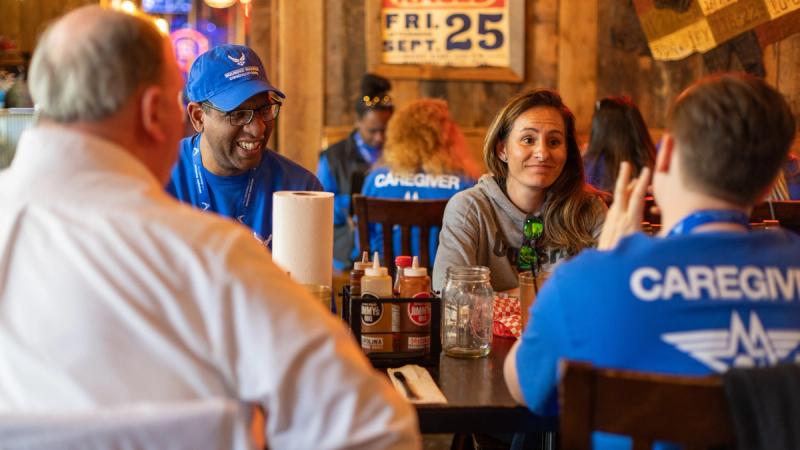
VA Caregiver Stipend Pays Families, but Many Never Enter the Program
The VA says eligible caregivers “may be able to get benefits like a monthly stipend, health insurance, mental health services, and respite care.”
That support runs through the Program of Comprehensive Assistance for Family Caregivers. The stipend is calculated against the veteran’s level of need. It can replace lost wages or steady a household that’s already reorganized around care.
Health coverage can follow, too, through CHAMPVA for qualifying caregivers, closing a gap many families are covering on their own. Eligibility expanded beyond a narrow post-9/11 window.
What hasn’t kept pace is awareness, who asks, who applies, and who even recognizes that the program applies to their situation.

Nobody Prepared You for Military Life
But we can help. Join over 100k spouses already getting the advice, resources, and military tea they need to thrive.
VA Travel Reimbursement Covers More Than Mileage, Including Flights and Lodging
According to the VA, Veterans "may be eligible for reimbursement for travel expenses” related to care. That includes mileage, but also “plane, train, bus, taxi, or light rail.”
In certain cases, the VA travel reimbursement also covers lodging and meals tied to that travel. This is intended to better support and accommodate veterans driving hours to a clinic or crossing state lines to receive specialty care.
Costs add up quickly: fuel, hotels, missed work, and repeat visits. Without reimbursement, those compounding expenses start to add weight on a Veteran’s shoulders who’s likely already carrying more than they should.
This is a catalyst for appointments accumulating long enough that care starts to slip, appointments get moved, or don’t get rescheduled at all. Every breakdown in the system causes a fracture in the belief Veterans have in the system itself.
VR&E Benefits Fund Career Changes: Not Just Job Searches
The VA describes Veteran Readiness and Employment (VR&E) as offering “job training, employment accommodations, resume development, and job seeking skills coaching.” That’s the entry point, not the ceiling.
The program can extend into education, certifications, and longer-term career shifts tied to service-connected disabilities. In some cases, Veterans pursue self-employment tracks under the same program.
It exists for a specific moment, when the original career path no longer fits. Not every Veteran circles back to it; some never hear that it applies after the GI Bill, and others assume it’s limited, or temporary, or not built for where they are now.
So the reset never happens, the veteran misses out on this benefit, and it continues to be lesser-known than the VA would like it to be.
VA Long-Term Care Begins At Home, Often Later Than It Should
According to the VA, long-term care can be provided “in your home, at a VA facility, or in the community.” That includes home-based primary care, adult day health care, respite services, and hospice. The structure allows for early support that remains either steady, routine, or preventive.
But the knowledge and awareness of this benefit usually isn’t there right away. It happens after a fall, a hospitalization, or after the point where support before the event happened might have stabilized things earlier.
By then, the system is reacting instead of holding that steady support to protect and prevent; those services were already in place.
ADVERTISEMENT
VA Pension Provides Monthly Payments: Even Without a Disability Rating
The VA defines pension as “a tax-free monetary benefit for wartime Veterans with limited or no income.” It operates separately from disability compensation.
Eligibility ties back to wartime service, financial thresholds, and age or disability status, but not necessarily a service-connected rating, and that’s the distinguishing factor that gets missed.
Veterans who don’t qualify for, or never pursued, disability compensation often stop there, assuming no monthly payment exists. The pension program doesn’t follow that assumption. It continues, largely under-claimed.
These Are Not Small Benefits
Have you checked to see if you qualify for any of these benefits you or your family may have been missing out on? These are not one-time benefits. They’re recurring payments you can use for health coverage, care delivered at home, or a second path when the first one doesn’t work for you.
This support exists, it’s funded, and it’s spelled out in VA language that hasn’t changed much at all. What changes is whether someone files, and when that step doesn’t happen—when it gets delayed, skipped, or never comes up, the gap just gets bigger.
Continue Reading

The VA Benefits Most Veterans Don’t Learn About Until It’s Too Late
Veteran Benefits

10 Veteran Benefits Articles Our Readers Found Most Valuable in 2025
Veteran Benefits
10 Veteran Benefits Articles Our Readers Found Most Valuable in 2025
Veteran Benefits
Join the Conversation

BY NATALIE OLIVERIO
Veteran & Senior Contributor, Military News at MilSpouses
Natalie Oliverio is a Navy Veteran, journalist, and entrepreneur whose reporting brings clarity, compassion, and credibility to stories that matter most to military families. With more than 100 published articles, she has become a trusted v...
- Navy Veteran
- 100+ published articles
- Veterati Mentor
ADVERTISEMENT



ADVERTISEMENT
