“I’m Fine” Isn’t Always Fine: The High-Functioning Stress Military Spouses Learn to Hide


ADVERTISEMENT
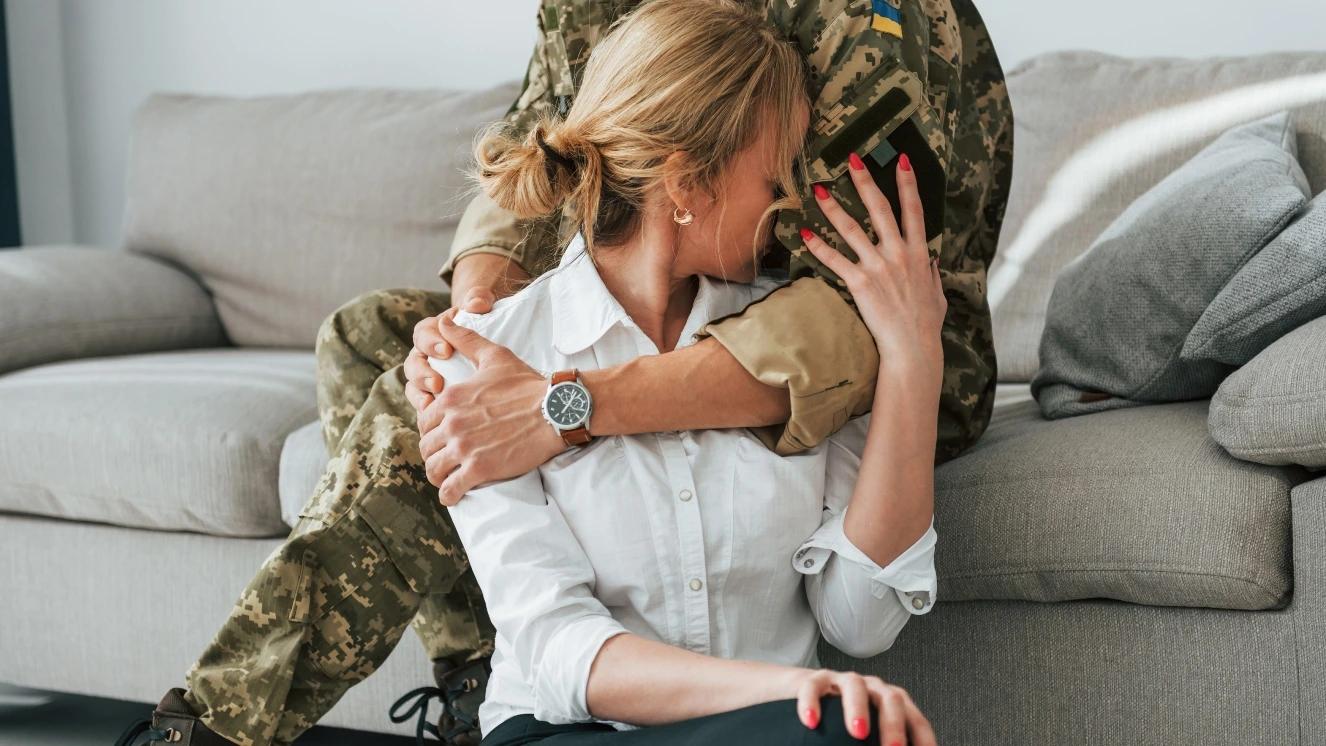
You answered three school emails, coordinated after-school pickup, texted your spouse overseas, paid a bill online, and remembered to show up for spirit week before noon. Then someone asked how you were doing, and you gave the same answer you always do.
"I'm fine."
For military spouses, stress rarely arrives looking like a crisis. It usually shows up as another deployment countdown, another move, another late work night, or another stretch of carrying an entire household because someone still has to keep things moving. Military families don't have the luxury of pressing pause during demanding seasons. Life keeps moving whether anyone feels ready or not.
Military life teaches people how to adapt quickly and function under pressure because there usually isn't another option. Families adjust plans, absorb uncertainty, and move through missed holidays, interrupted routines, and long periods where normal life simply stops feeling normal. Many military spouses become exceptionally good at carrying difficult circumstances because they have to. Yet the same habits that make military families resilient can also make it harder to recognize when functioning slowly turns into surviving overload.
Conversations around mental health for military spouses often begin after something awful has already happened, which can unintentionally shape how people think support is supposed to work. Most of the time, military spouse stress and emotional overload don’t come with warning signs. Nobody notices it at first because the person struggling is usually still handling everything, on top of it all. They're showing up to work, coordinating sports schedules, managing childcare, and making sure everyone else gets where they need to be, when they need to be there.
Military spouses know how to keep things moving long after most people would've admitted they were exhausted or just crashed out in general. That's part of the strength of military families. It's also why overload can become surprisingly difficult to recognize while you're living in it.

Military Families Learn to Carry More Than People Realize
Military spouses aren't navigating ordinary family stress with a different zip code. Many carry pressures that civilian families may never experience or only encounter temporarily. Permanent change of station moves, deployments, career interruptions, geographic isolation, and long stretches of solo parenting reshape daily life in ways that become difficult to explain outside of military communities.
Military spouses know what it feels like to promise ourselves we'll breathe after homecoming, after the unpacking, after the next duty station, or after life settles down. We know how to white-knuckle deployments, hold households together, and convince ourselves the hard season is almost over. This is often where the cycle begins to spark damage, because temporary survival habits have a way of becoming permanent ones.
Mental health access for military families has received growing attention as military spouse wellness research continues showing elevated rates of stress, anxiety, and depression. Multiple military spouse studies have documented measurable mental health strain associated with deployments, family transitions, and chronic military stressors.
A recent wellness survey of military and Veteran spouses reported depression and anxiety rates several times higher than those observed in broader civilian populations. Researchers found severe depression rates among military spouses reached 14 percent compared with 2.9 percent in civilian populations.
Separate research found that one in six military spouses experienced generalized anxiety, and one in eight screened positive for major depressive episodes among surveyed military spouse populations.
Another study found that 51 percent of active-duty spouses reported experiencing higher-than-normal stress levels. We tend to picture burnout as missed appointments, tears in parking lots, or visible collapse. Military families know better. Some of the most overwhelmed spouses are still volunteering, coordinating schedules, supporting everyone around them, and remembering every obligation on the calendar.

Nobody Prepared You for Military Life
But we can help. Join over 100k spouses already getting the advice, resources, and military tea they need to thrive.
Resilience Can Become Emotional Suppression
Military culture places a premium on endurance. Service members hear some version of that expectation throughout their careers, and families absorb it too. Push through, stay focused, and handle the mission in front of you.
There are circumstances where compartmentalization serves a purpose. During deployments, emergencies, and prolonged uncertainty, emotional control can help people manage difficult situations. Survival habits have a way of settling in quietly. One day, you're getting through a difficult season, and the next, you're realizing the season never really ended.
Research examining barriers to mental healthcare among military spouses found that many delayed seeking support because of childcare responsibilities, scheduling challenges, confidentiality concerns, and difficulty finding providers familiar with military life.
Higher stress doesn't always lead to earlier help-seeking. In many cases, spouses become skilled at carrying impossible amounts of responsibility without questioning whether the arrangement was ever sustainable in the first place. Researchers studying military spouse coping patterns identified protective buffering behaviors, where spouses withheld personal distress because they didn't want to create additional pressure for service members or families already carrying significant demands.
Military spouses may postpone their own concerns due to feeling that there isn’t enough time to process frustration during a PCS move or deployment countdown. There isn't space to sit with loneliness when children still need dinner and life still needs to be managed. Feelings get pushed aside because the immediate task feels more urgent. Then another task arrives. Then another. Eventually, postponing emotions starts feeling easier than acknowledging them at all.
Nobody wakes up one morning and decides they're emotionally overloaded. Most military spouses are still getting kids to school, answering emails, handling TRICARE paperwork, and trying to remember which homework project is due the next day. You tell yourself everyone feels overwhelmed. You convince yourself that things will settle down after the move, after reintegration, or after the next season passes. Eventually, months become years, and pushing through starts feeling less like a strategy and more like a permanent state of existence.
The Warning Signs Can Go Unseen, Unheard, and Unnoticed
High-functioning stress doesn't usually announce itself. Most military spouses don't stop functioning when they're overwhelmed. They keep moving. It can look like exhaustion that doesn't improve after sleep, irritability over small inconveniences, or a growing sense of emotional distance that's difficult to explain. Some people withdraw from friendships. Others lose patience faster than they used to or realize they can't remember the last time they felt fully present.
Many people expect stress to feel loud, but some military spouses describe something quieter. They talk about feeling disconnected rather than overwhelmed. Others describe feeling flat, emotionally muted, or strangely absent from their own lives.
The toll of the emotional cost eventually extends beyond mood because chronic stress affects marriages, parenting, physical health, and financial stability when burnout begins disrupting routines, relationships, or work. Military spouses are often still meeting every responsibility long after stress has started collecting interest elsewhere.

Talkspace Offers Support Before Stress Becomes a Crisis
Mental healthcare conversations have historically centered around crisis response. Many people still assume support begins once circumstances become severe enough that they can no longer manage independently, simply because that is how many of us were taught to think about mental healthcare.
People schedule annual physicals before serious health problems appear because prevention often works better than waiting for something to break. Mental health works the same way. For years, therapy was treated like emergency triage, but increasingly, families are viewing it differently. Just as people schedule routine wellness care, mental healthcare can become part of regular self-maintenance rather than a last resort.
Military spouses know exactly how support slides down the priority list. Childcare, unpredictable schedules, school forms, and logistics usually win. For military families balancing these demands, lower-friction access matters. In fact, one survey found nearly one in four spouses reported challenges accessing mental healthcare.
That's why options like Talkspace fit so naturally into conversations around maintenance care. Support doesn't always have to happen during a crisis. Flexible care options that allow people to connect from home remove the obstacles that often keep support sitting at the bottom of an already crowded list.
Talkspace meets military spouses where they are—on their terms and in their time. By offering confidential virtual counseling, Talkspace gives military families consistent emotional care that fits into their unpredictable lives, no matter where they live or how often the military moves them. As an in-network provider for TRICARE, it provides a safe, accessible space to sort through overwhelming moments and build coping skills with a trained professional.
Sometimes support starts simply with checking in before stress becomes something heavier. It isn't about pushing through until you crash; it’s about creating the space to finally drop the weight, and reminding yourself that it is okay to not always be "fine."
This article is a result of a collaboration with Talkspace.
Continue Reading

Military Mental Health Challenges Affecting Family Dynamics
Relationship Advice

Military Spouse Wellbeing: Impact of Loneliness Revealed
Spouse Benefits

Military Spouses: Key Leaders During Deployment
Spouse Benefits
Join the Conversation

BY NATALIE OLIVERIO
Veteran & Senior Contributor, Military News at MilSpouses
Natalie Oliverio is a Navy Veteran, journalist, and entrepreneur whose reporting brings clarity, compassion, and credibility to stories that matter most to military families. With more than 100 published articles, she has become a trusted v...
- Navy Veteran
- 100+ published articles
- Veterati Mentor
ADVERTISEMENT


ADVERTISEMENT